Archival Organ
Speculative Design
Spring 2016, Royal College of Art, London, UK
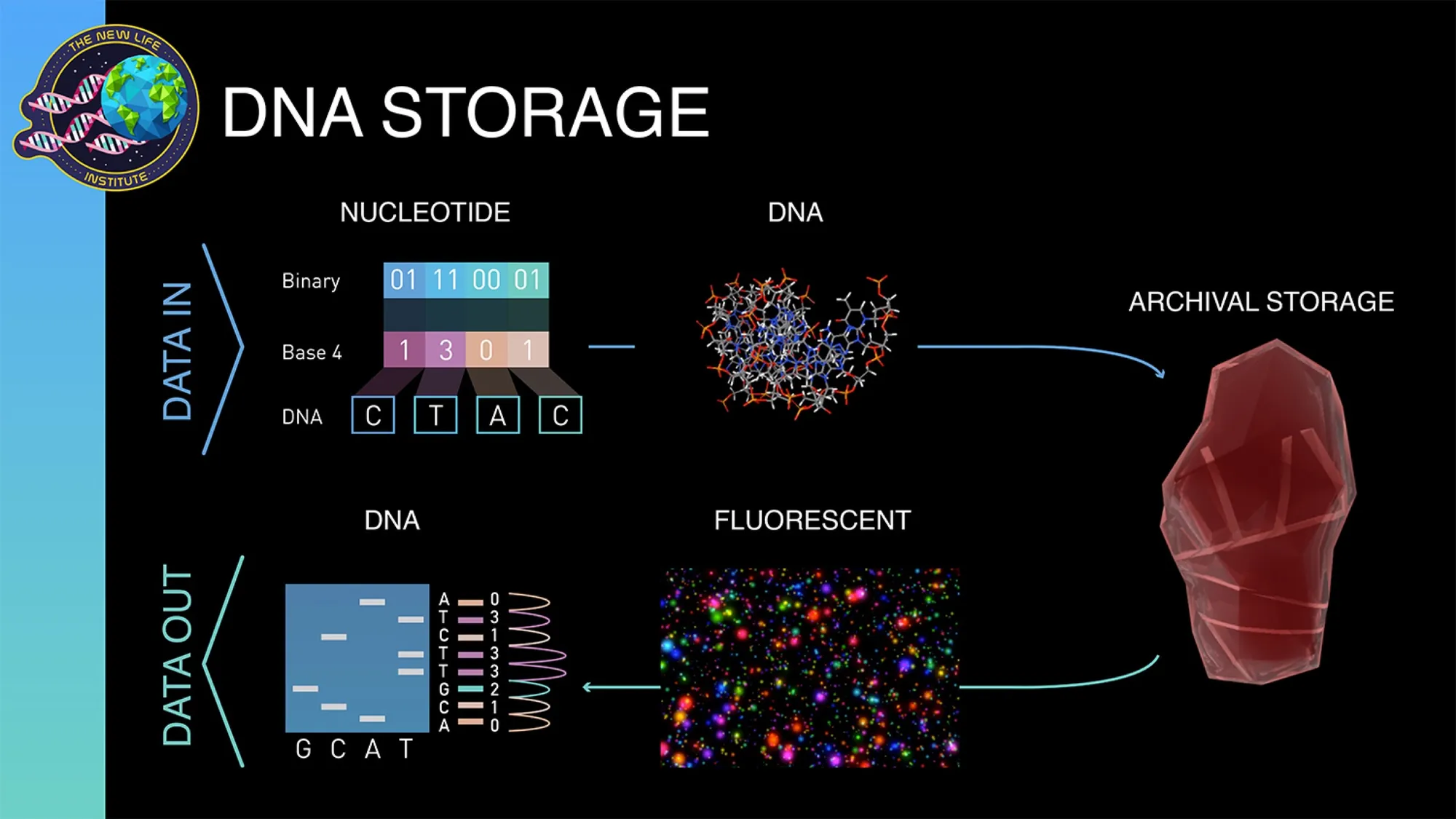
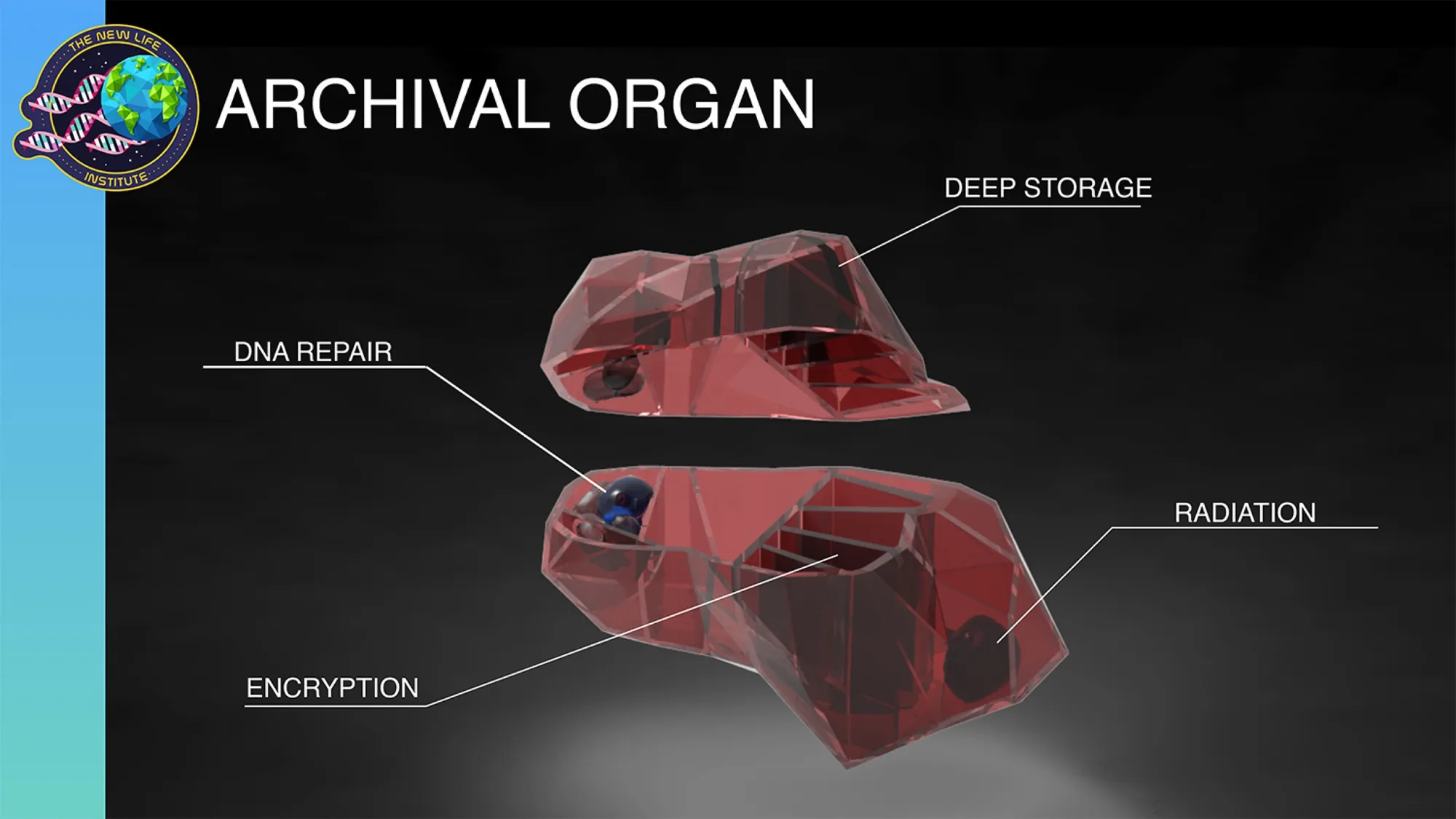
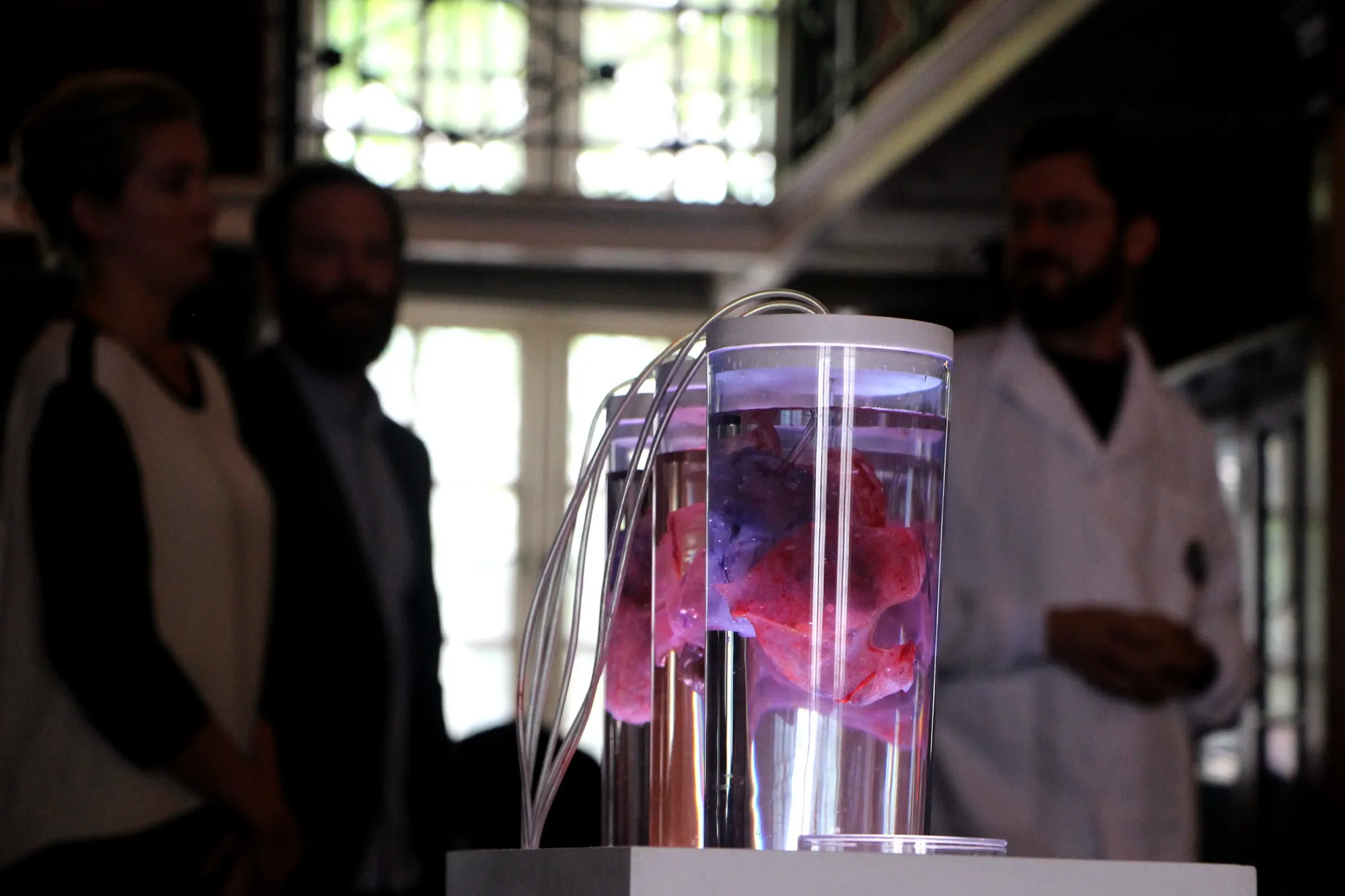
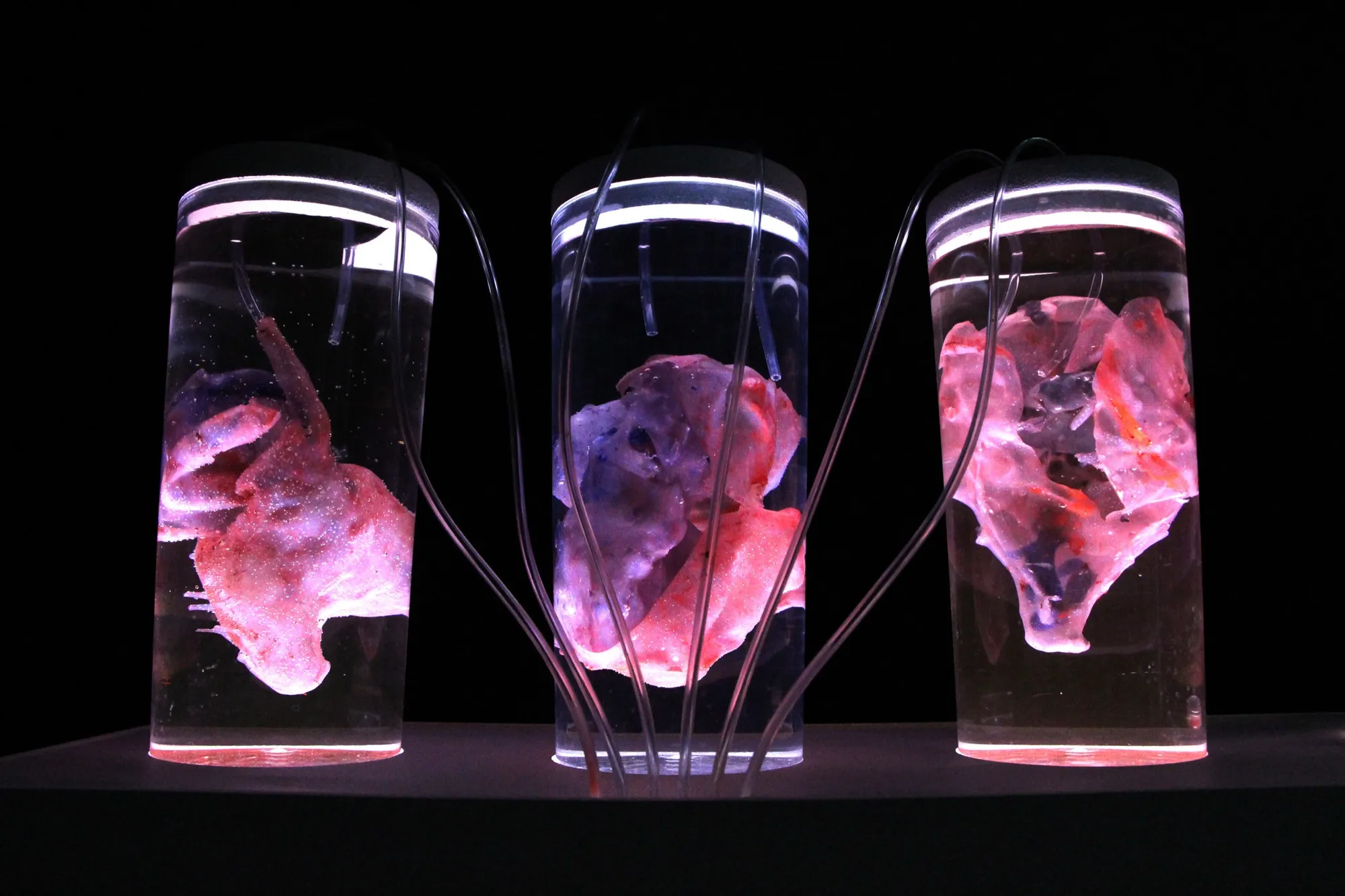
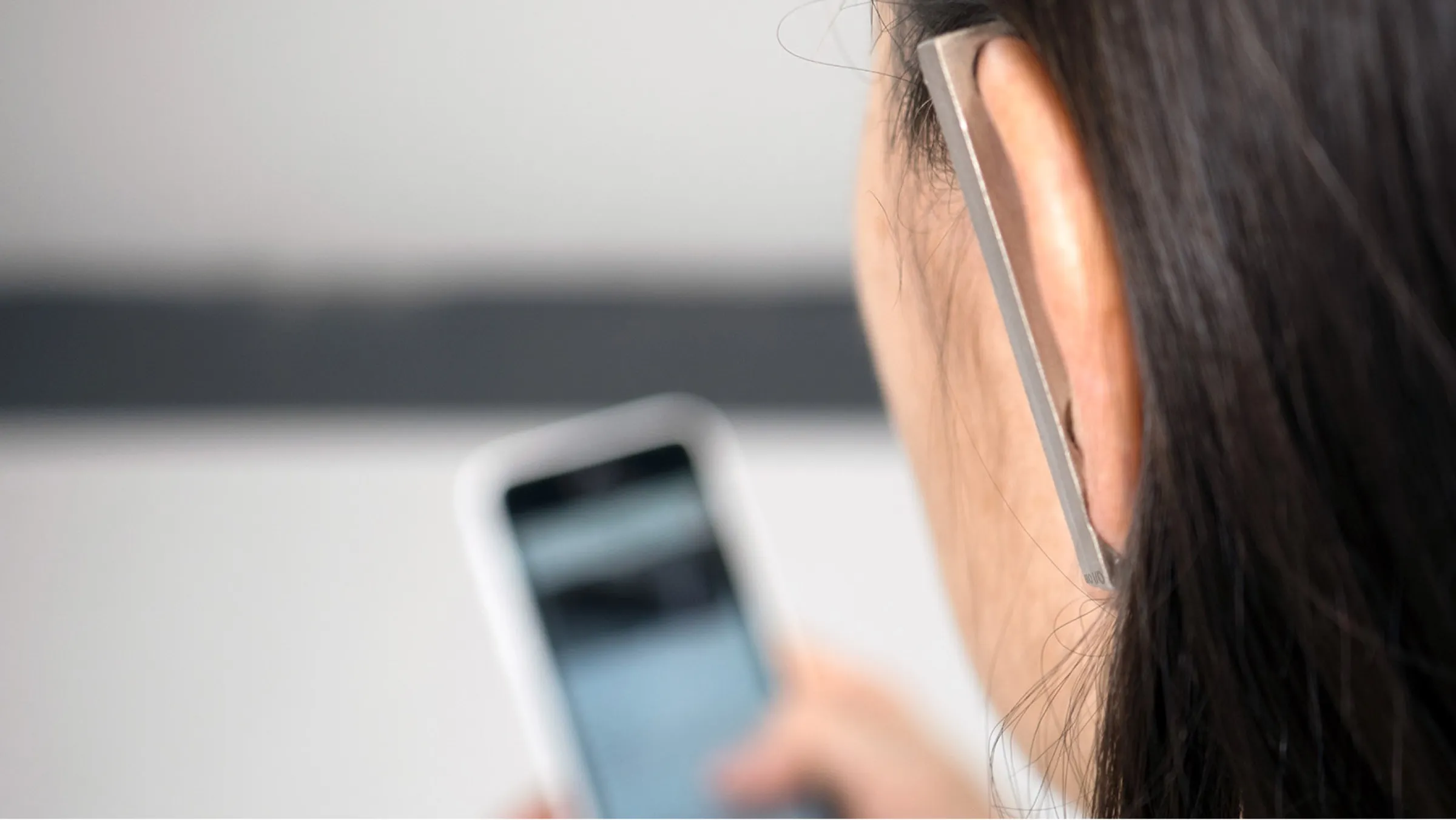
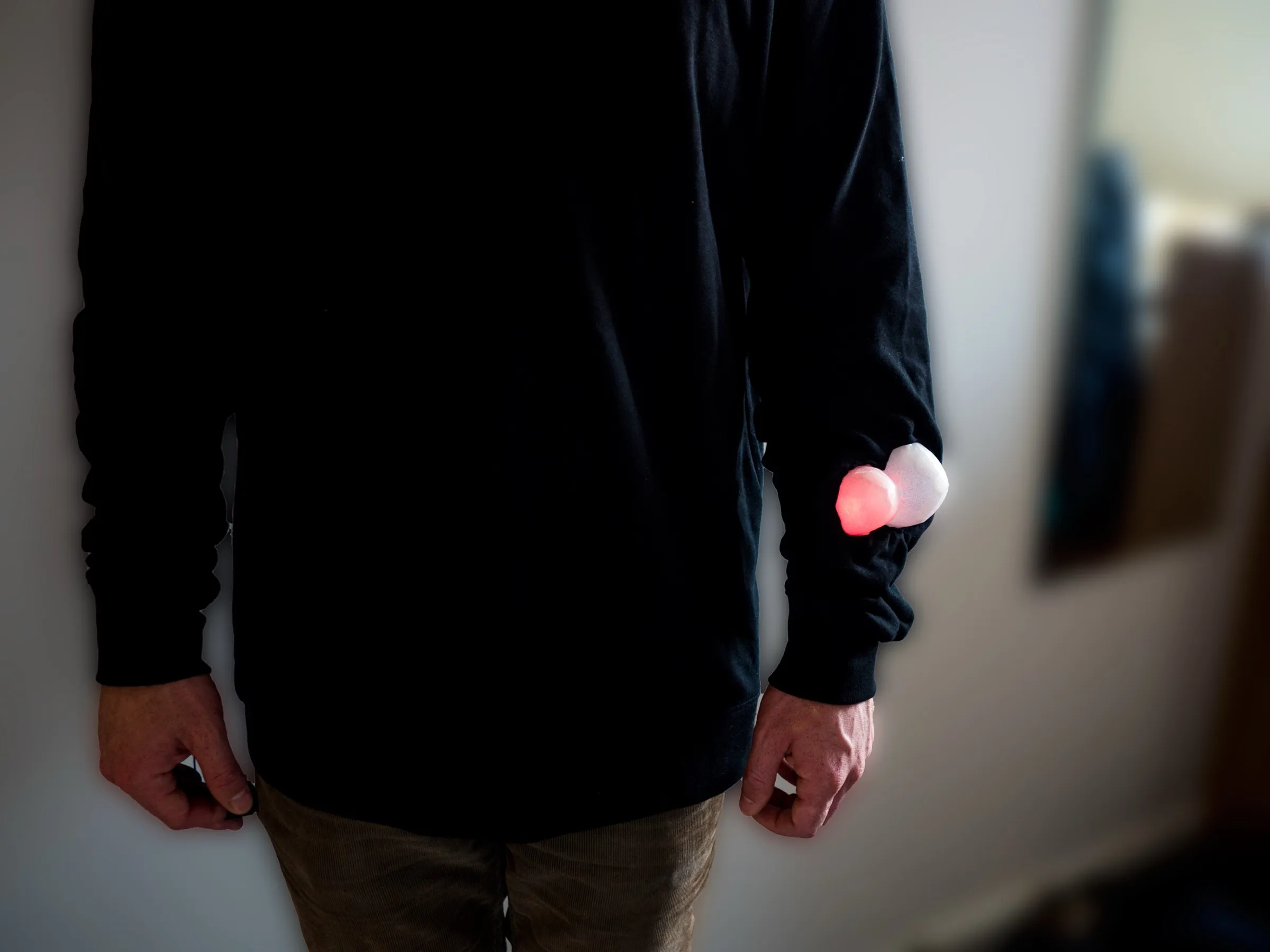
DNA is an incredible data-storage medium. If the entire internet of 2015 were to be coded in DNA, it would weigh 4 grams and last reliably for 10,000 years. Humanity’s collective knowledge (our big data, our papers, books, music, and cat videos) is kept cold in some of the largest buildings in the world and in the U.S. each year consume enough energy to power all of N.Y.C. for two years. Also, the conventional server’s hardrive is short-lived and inherently susceptible to natural disaster. Hence, we propose the creation of an off-grid archival back up on a grand scale - storing humanity’s knowledge in the code that creates us. In this future, we envision the need for distributed and biologically managed DNA storage. We propose the human body, implanted with an archival organ that would protect and manage the valuable information within. The carriers would become the keepers of all human knowledge.
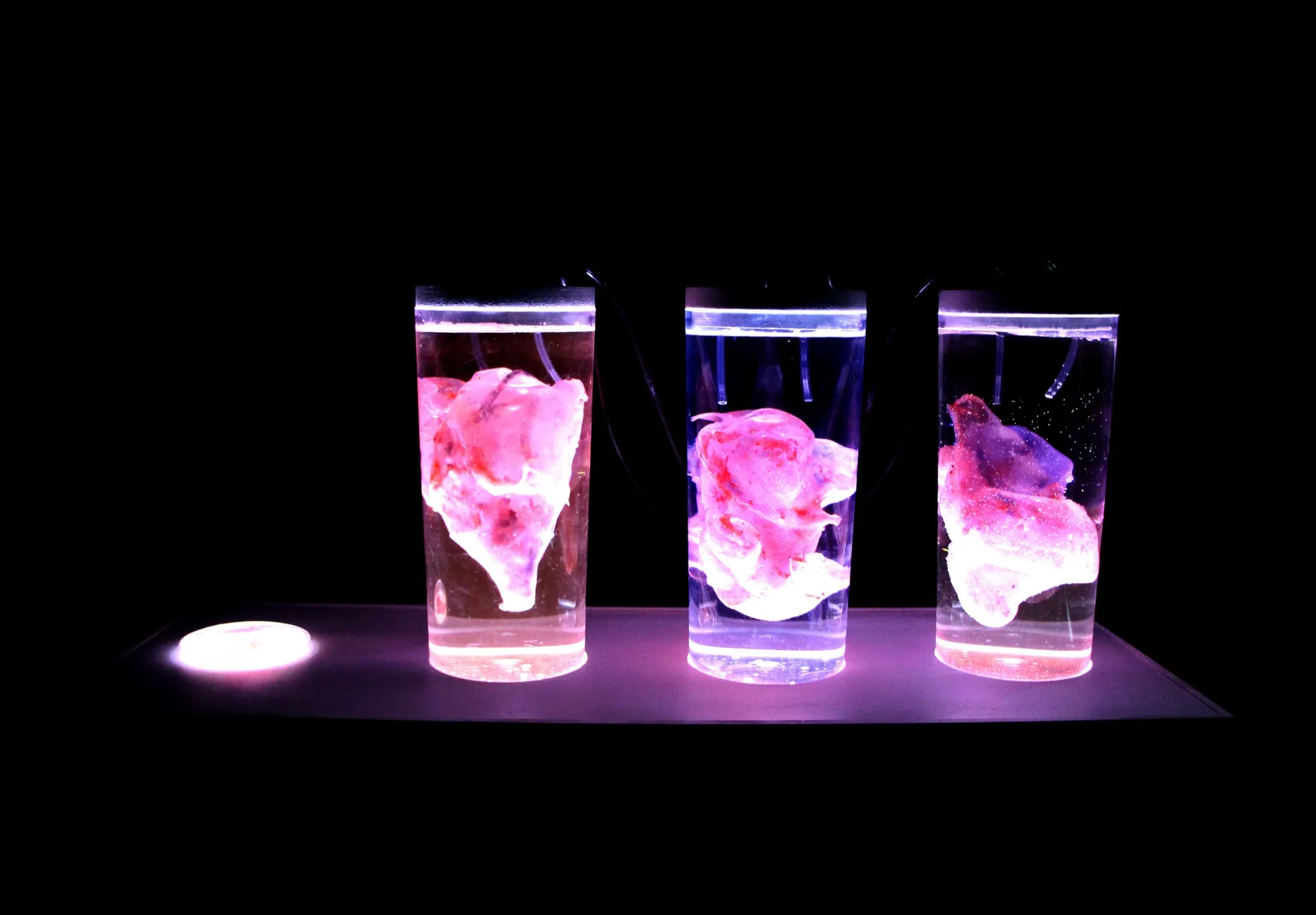
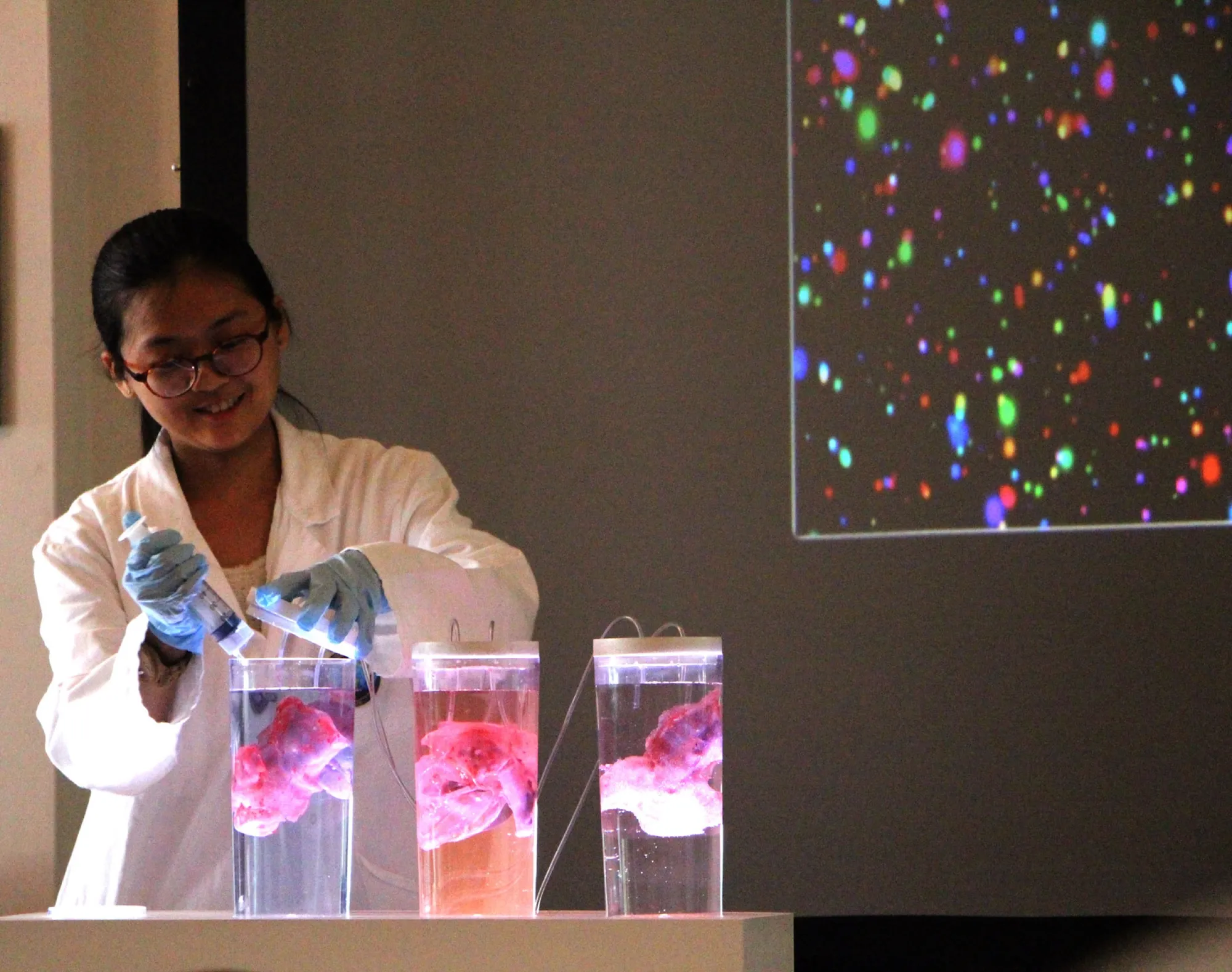
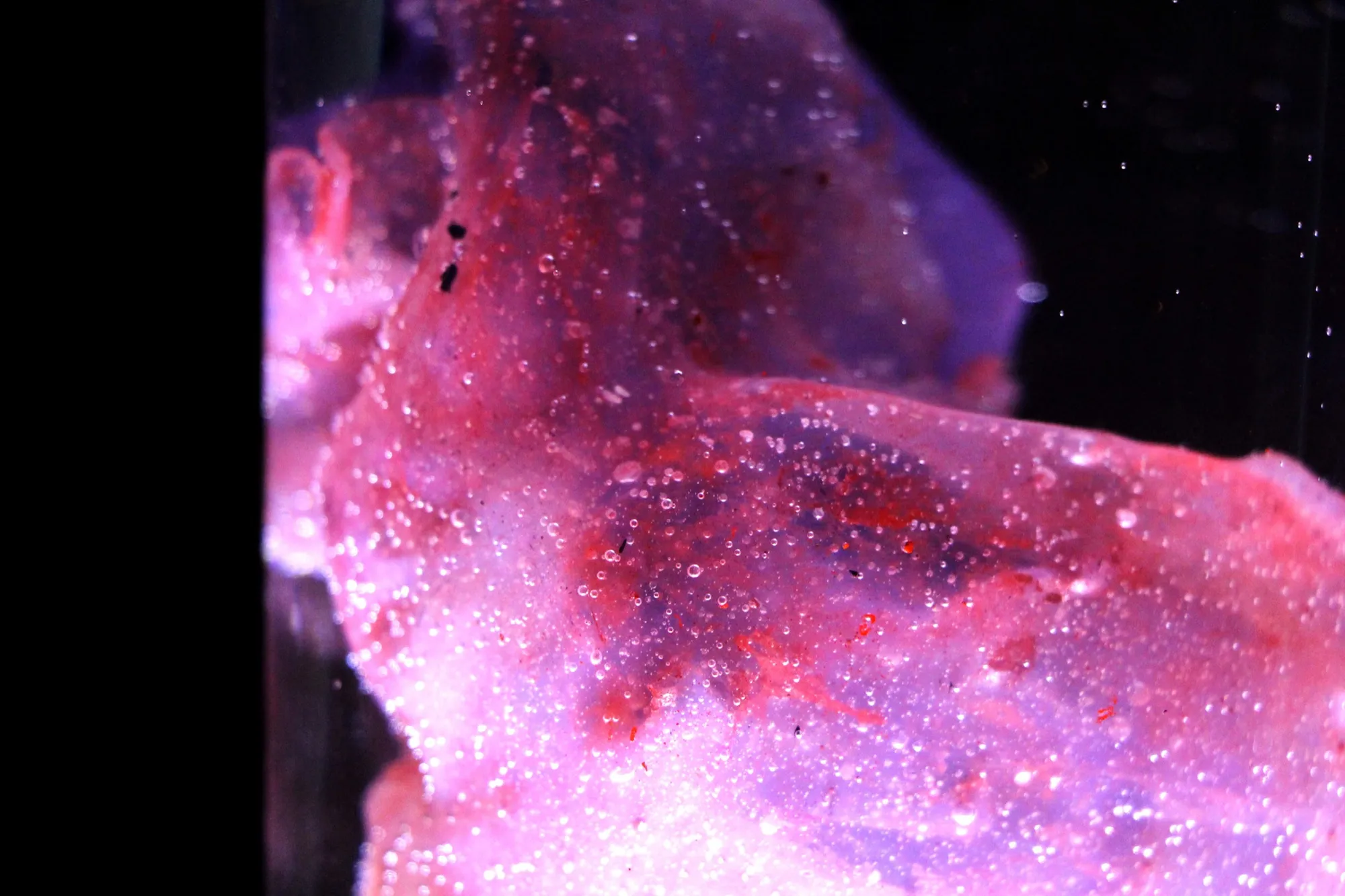
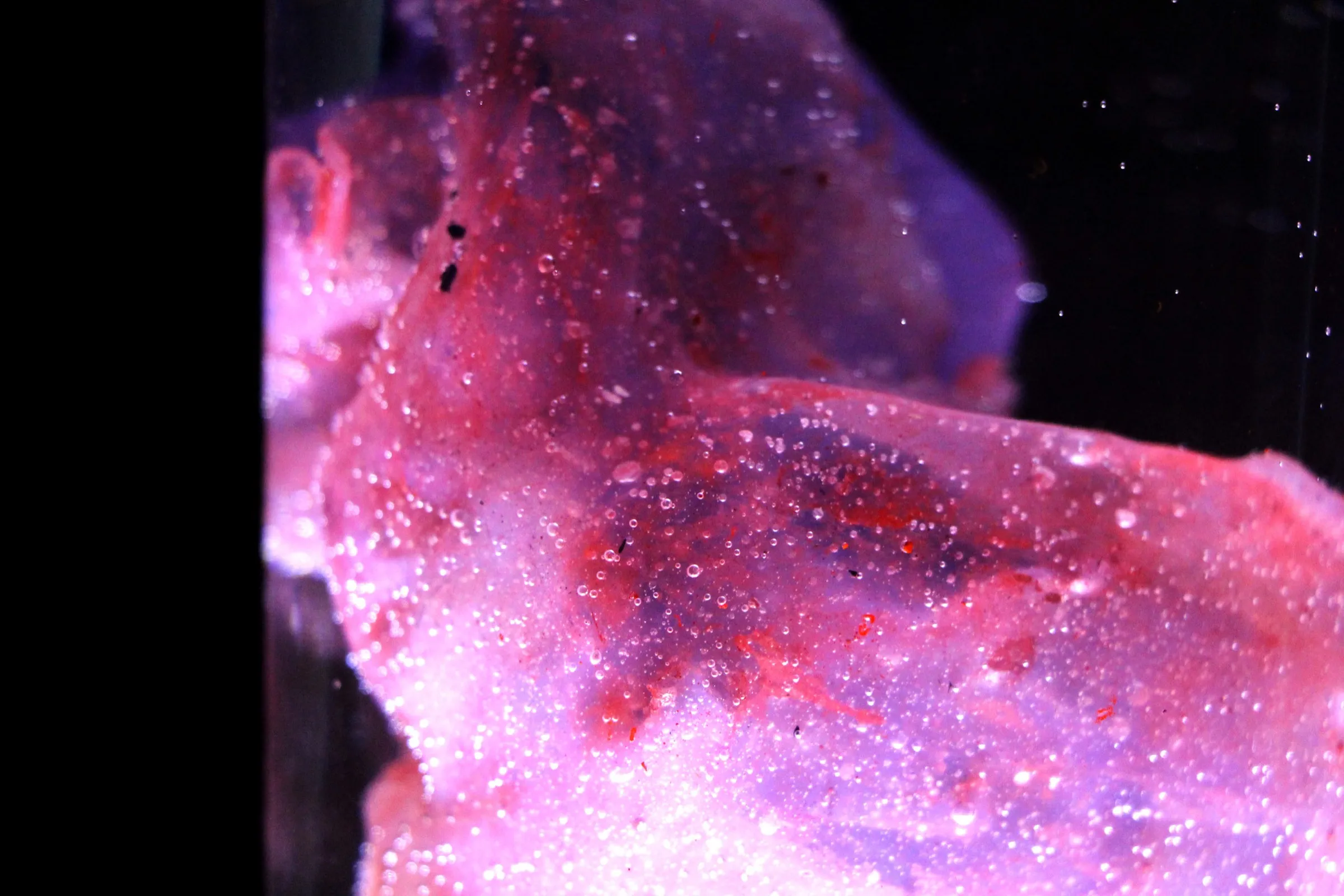
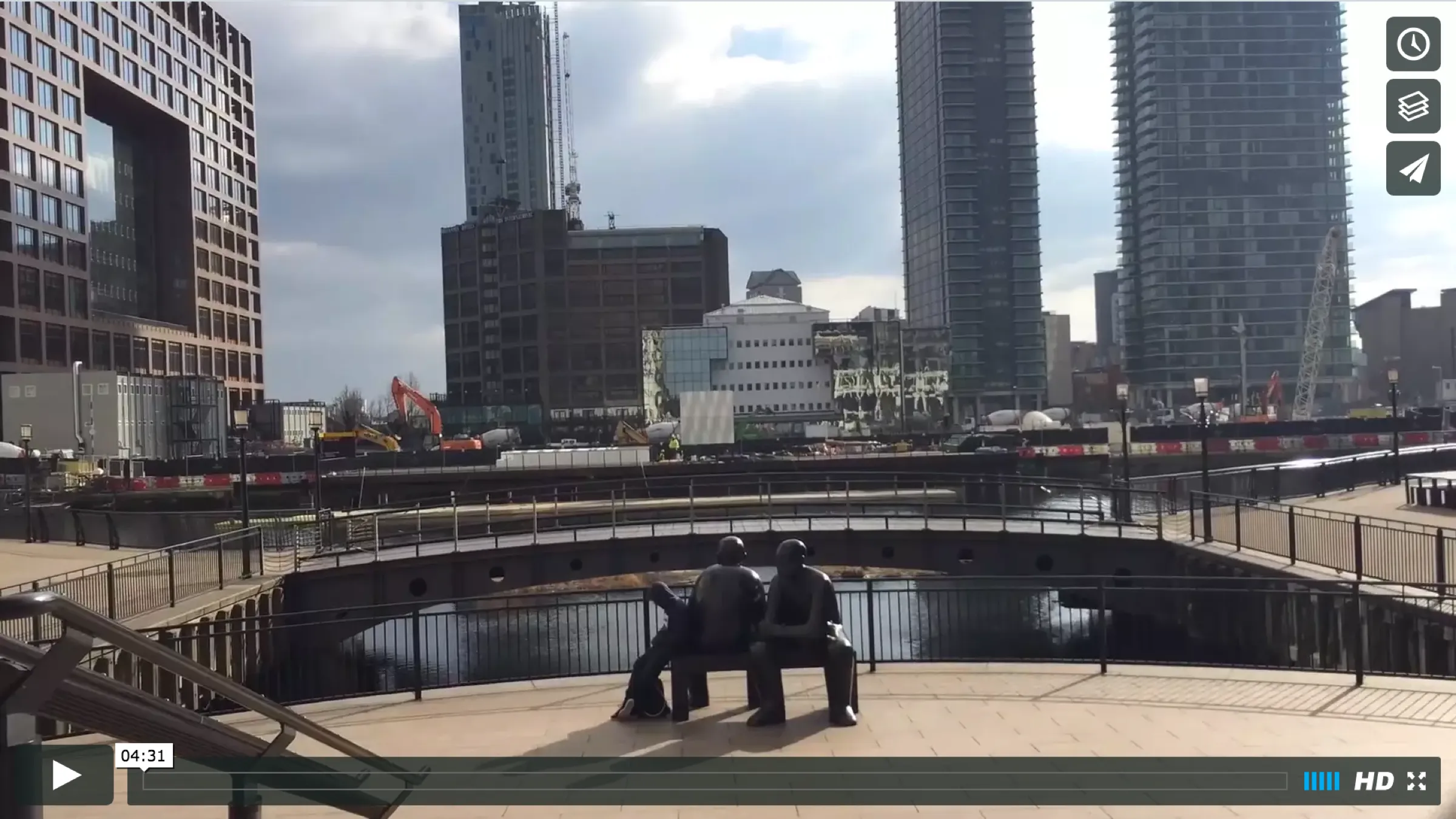
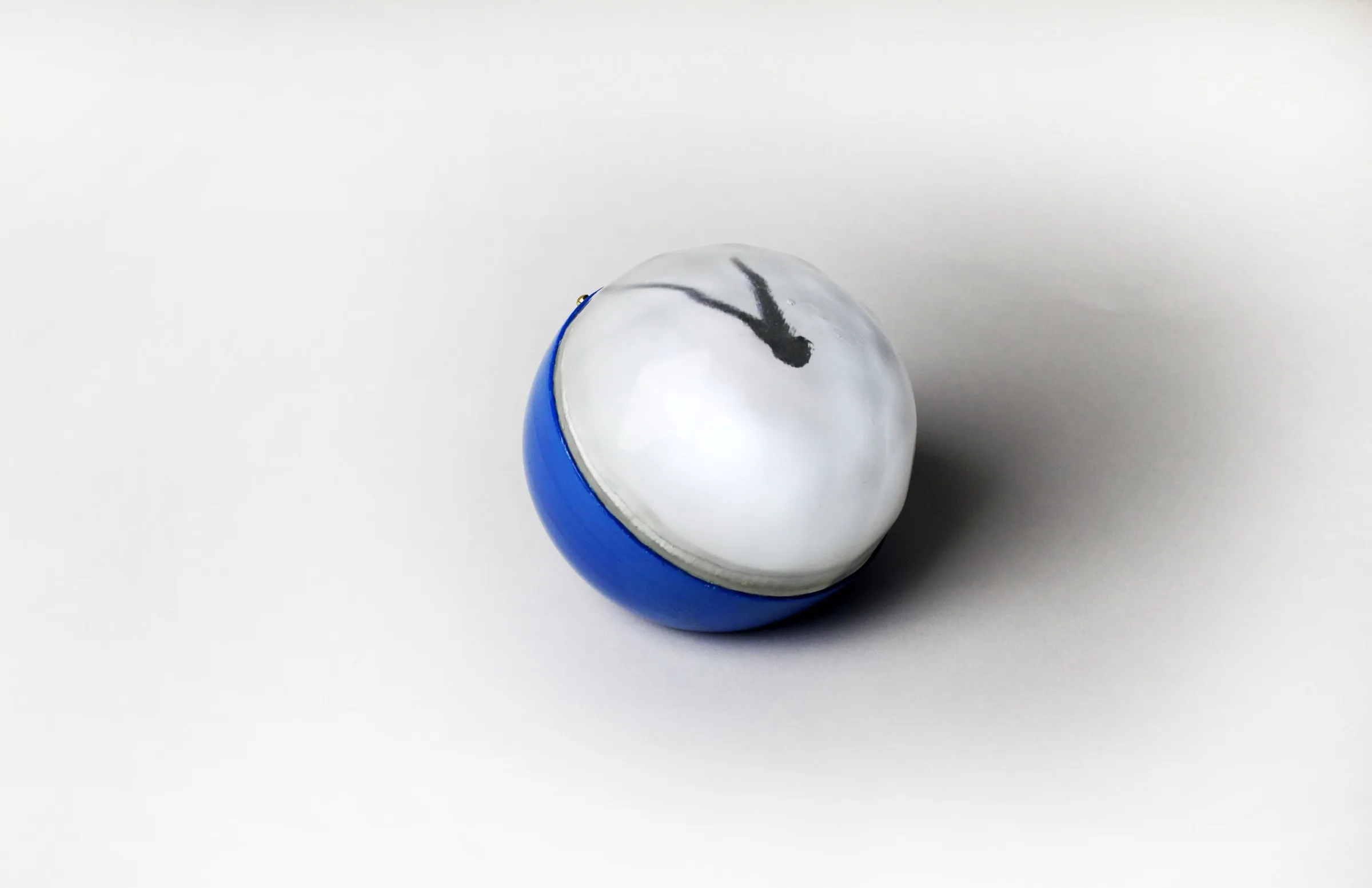
This speculative piece was conveyed through performative presentation. Audience members were introduced to the “New Life Institute” and reminded of the NDAs they had signed. A video “news cast” detailed a solar flare disaster that had knocked out server farms around the world in the recent past of 2026. Video of this presentation is now used as an educational example of speculative design for incoming RCA design students. The Archival Organs were fabricated from clay molds, cast in silicone and displayed floating in water in glass and wood jars.
An in-lab workshop led by Oron Catts kicked off a three-week sprint with a team from the Innovation Design Engineering programme at the Royal College of Art in London: Huang ShuTing, Kate McCambridge, Adam Bernstein, and Julian Goldman.